2026 is the Year of the Fire Horse, a rare cycle that returns only once every 60 years. In Eastern culture, the zodiac represents action, freedom, speed and breakthrough. It can also symbolise ambition, growth and burning intensity. For Europe it is just another electoral year.
Amid geopolitical and social tensions, millions of citizens have already circled a date on the calendar to exercises their right to vote.
Portugal has already begun the cycle. The first round of its presidential election to replace Marcelo Rebelo de Sousa as head of state took place two weeks ago. The Socialist Party candidate, António José Seguro, has secured 31,1% of the vote, running on a platform of reconciliation and institutional stability. For the run off, he has already gained the endorsement of the leftist parties and some of the prominent conservative figures, including former President and Prime Minister Aníbal Cavaco Silva. Anyone but Chega’s candidate, André Ventura, seems to be the logic of this support. The far-right party was founded in 2019 and rapidly became a major political force in the country. On 18 January, it secured second place, capturing 24% of the total ballots. This Sunday, voters will face a choice between “socialism and no socialism” as Ventura framed it.
Chega had already erupted in last year’s legislative election, falling just 52,000 votes short of a sorpasso over the Socialists, in what was one of the centre-left’s worst results since the fall of the Salazar dictatorship in 1974. Prime Minister Luís Montenegro, whose Social Democratic Party won that election, has refused to take sides in the presidential race after his party failed to reach the final round.
Further east, Hungary is also heading into a potentially decisive vote. After 15 years in power, Viktor Orbán, might finally be defeated, according to the latest polls. His challenger is a surprise for most people: the MEP Péter Magyar, a former Fidesz (Orbán’s political party) insider who broke with the ruling Government and joined the recently founded, Tisza movement.
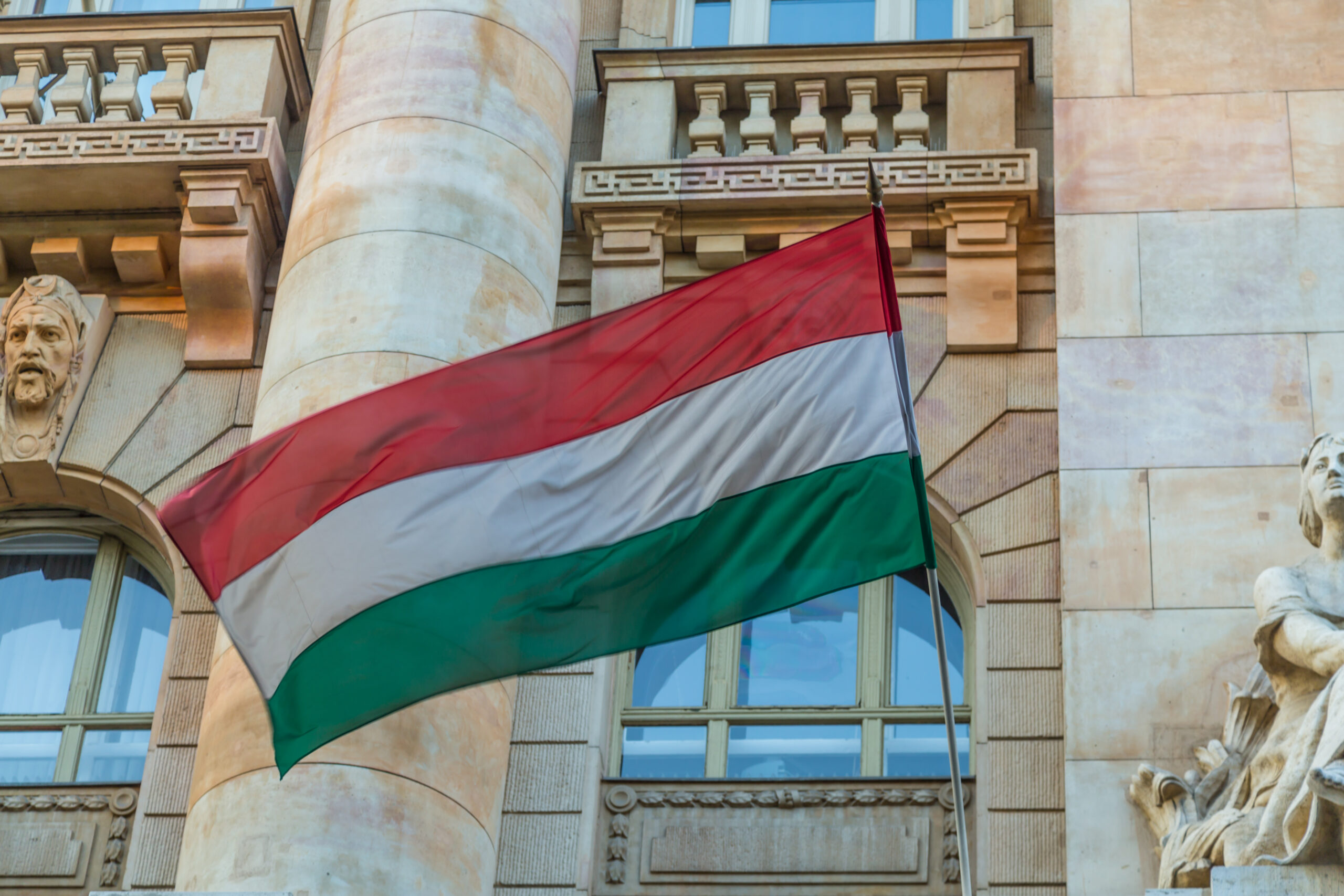
Magyar stunned the political scene in the most recent European elections, by securing 30 per cent of the Hungarian vote and seven seats in the European parliament. Now he seems to be closing the gap with Orbán. But in this Game of Thrones scenario, removing a leader who has spent more than a decade reshaping Hungary’s institutions will not be an easy task.
Over the years, Viktor Orbán has built what veteran US journalist and historian Anne Applebaum describes as an “electoral autocracy,” consolidating loyalists across the media, judiciary and public institutions. In her book, The Twilight of Democracy, Applebaum points to Hungary under Orbán and Poland under former Prime Minister Mateusz Morawiecki as cases where elections still take place but mainly serve to mask increasingly authoritarian practices.
Orbán’s strategy to control the media began when he lost power in 2002, after which he concluded that controlling the narrative was essential to survival. The most recent step in that direction came last November, when a business group loyal to Orbán acquired several media outlets, including Blikk, Hungary’s most-read newspaper. Whether this will shift the balance in his favour will be tested in April’s elections.
Slovenia, for its part, is facing its own political rematch. Janez Janša, a long-time Orbán ally and admirer of Donald Trump’s style of politics, is attempting a return, after losing office in 2022 to Robert Golob’s centre-left coalition. Polls suggest a tight race, though Slovenia’s fragmented party system makes the outcome difficult to predict.
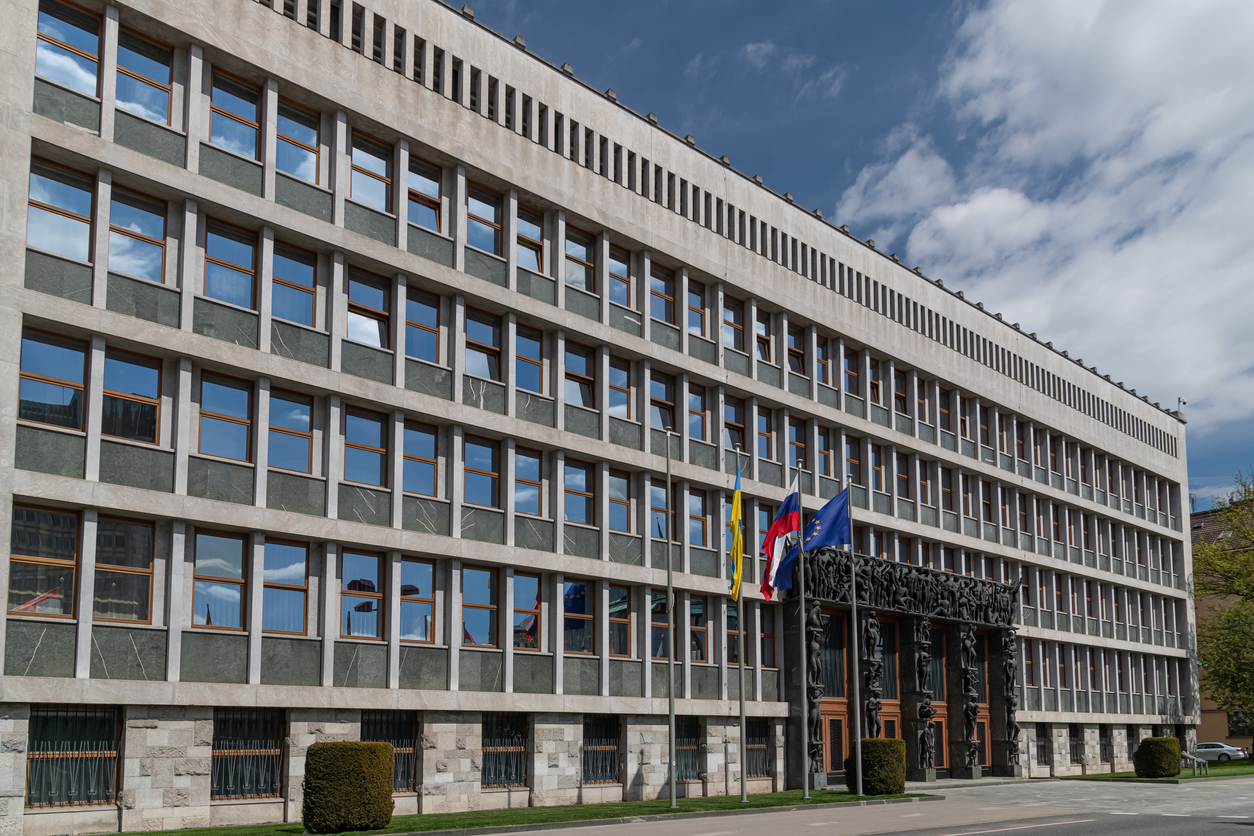
Janša remains a deeply divisive figure. His attacks on journalists and critics have repeatedly drawn criticism from the EU and press-freedom groups. Yet he retains strong backing within the European People’s Party. This week, EPP leader Manfred Weber publicly endorsed Janša in Ljubljana, calling him “the strong voice for Slovenia in Europe”. At the same time, rival group leaders, Iratxe García Pérez (S&D) and Valérie Hayer (Renew Europe) arrived with a very different message: warning against Janša and demanding the EPP to expel what the S&D leader called “Trumpian Trojan horses” from its ranks.
Cyprus, currently holding the rotating EU presidency, will also vote this year in parliamentary elections that underscore the island’s unique political complexity. Greek Cypriots will elect 56 out of 80 members to the House of Representatives in May. The other 24 seats, reserved for Turkish Cypriots, have remained vacant since 1963.

Complicating matters further, Northern Cyprus recently elected opposition leader Tufan Erhürman over Ankara’s preferred candidate. Though the northern republic is recognised only by Turkey, the result has revived hopes among those who favour reunification.
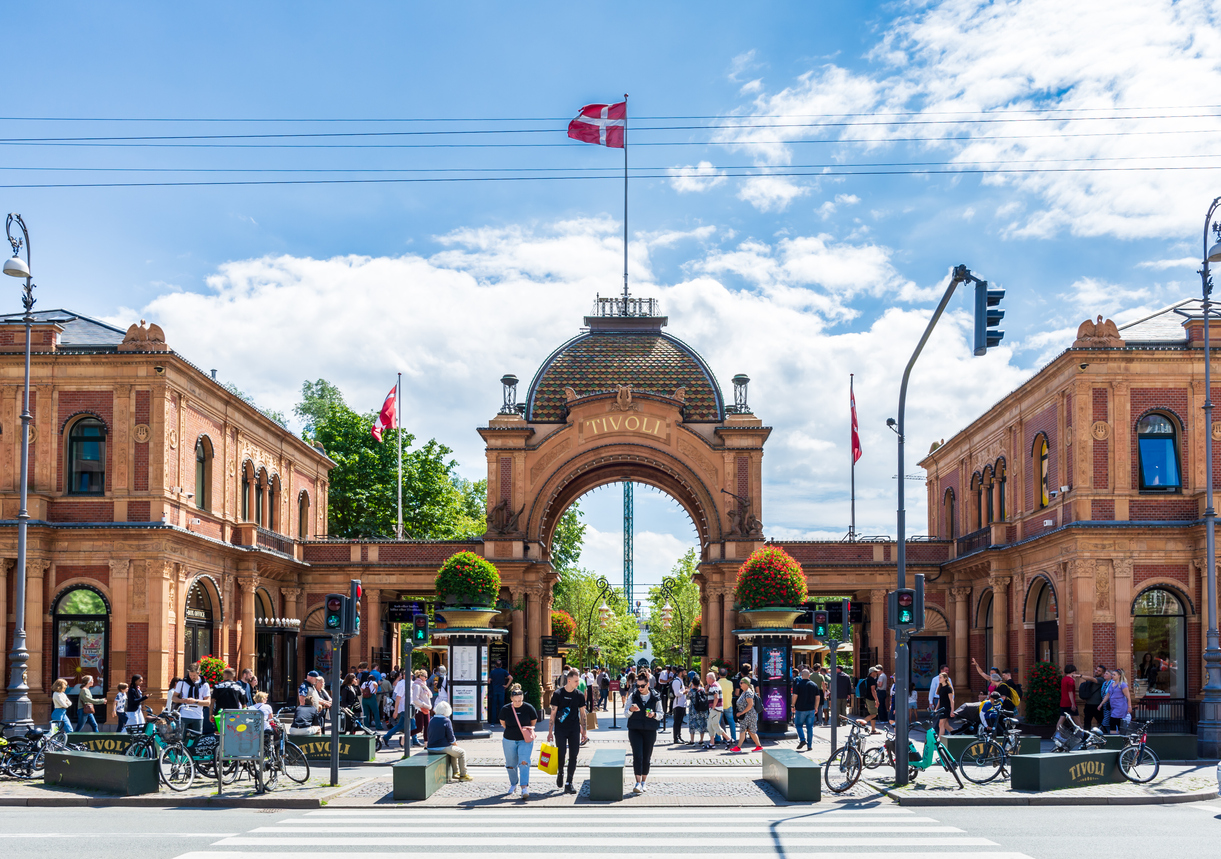
Later this year, several other EU member states will also hold elections. Denmark’s Prime Minister, Mette Frederiksen, will seek to renew her mandate for another four years amid challenging circumstances, including provocative claims from President Trump on Greenland and a decrease in support for her Social Democrats. This decline became clear during last November’s municipal and regional elections, when the Social Democrats suffered sweeping defeats across Denmark and lost control of Copenhagen for the first time in more than a century.
Sweden is also set to go to the polls this year to elect members of the Riksdag, who in turn choose the Prime Minister. In the last elections, the far-right Sweden Democrats emerged as the big winners, increasing their share of the vote and becoming the second-largest party. The leader of the Swedish Moderates subsequently formed a minority government, with the Sweden Democrats giving conditional support without actually joining the coalition.
Across Europe, many other national and regional elections are taking place. In some large member states, such as France and Spain, early elections could occur due to political instability. Fire horse year or not, 2026 promises another turbulent electoral cycle. First stop: Lisbon.
Alí El Majjaoui, Communications Consultant