As the heatwave comes to an end, Brussels can finally breathe again, but it is not out of the heat just yet. On the one hand, EU–China relations are nearing boiling point, with a widening trade deficit and growing discussion of market-restrictive measures setting the stage for a tense second half of 2026. On the other hand, the EU–US trade deal has finally crossed the finish line after months of uncertainty, although renewed US threats against French wine serve as a reminder that the truce remains fragile. Meanwhile, the EU continues to expand its trade architecture beyond its traditional partners, concluding a Digital Trade Agreement with South Korea and a landmark modernised partnership with four sub-Saharan African countries.
Too Hot to Trade? EU China Relations Reach Boiling Point
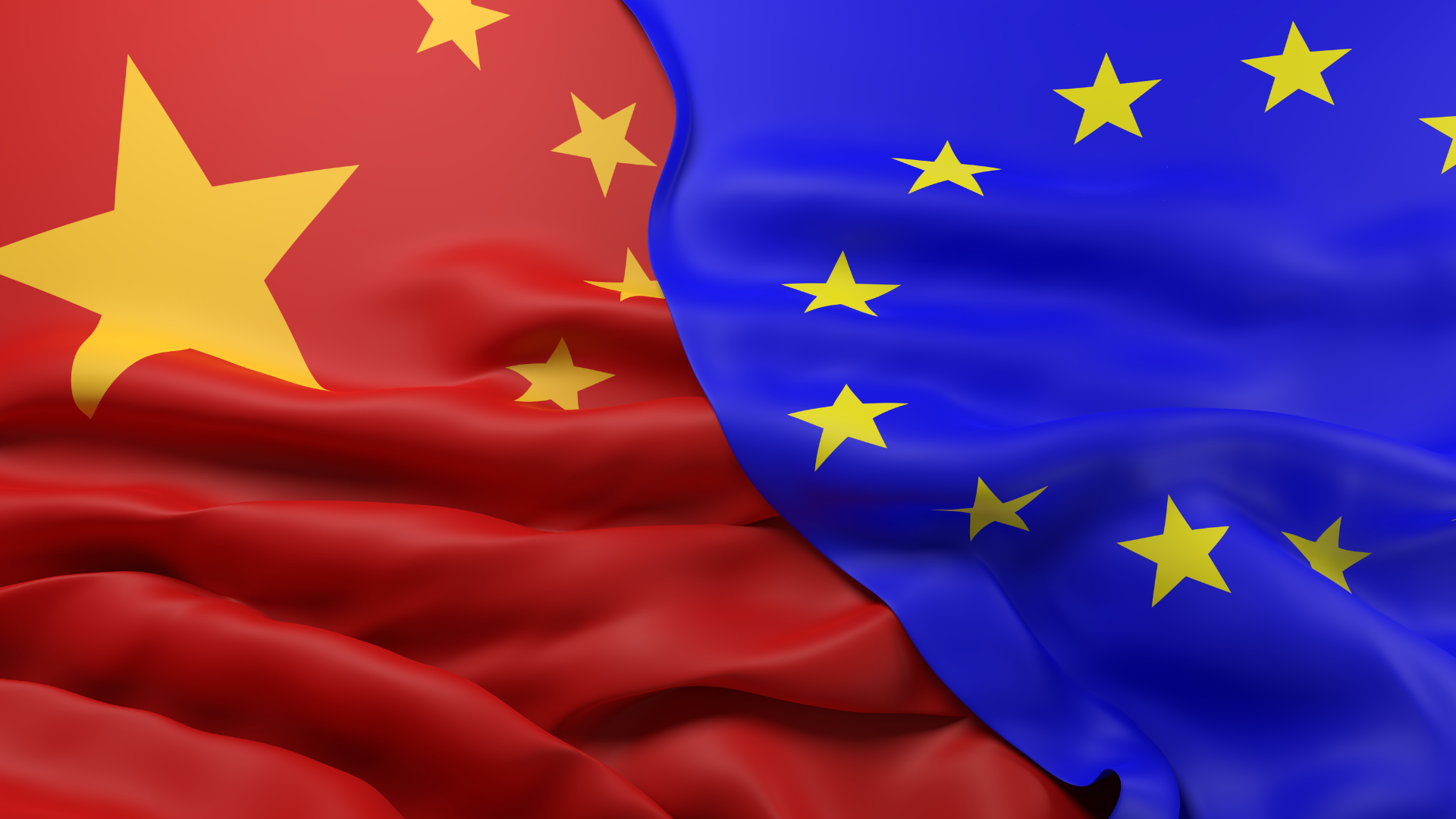
As work on the Industrial Accelerator Act (IAA) and Cybersecurity Act 2 (CSA2) gets underway in the Parliament and the Council, high-level policymakers and ambassadors at both the European and Member State level are trying to find a way forward for the Sino-European relationship, operating within a two-tier landscape that combines diplomacy and policymaking.
On Diplomacy. On Monday 29 June, Trade Commissioner Maroš Šefčovič welcomed China’s Commerce Minister Wang Wentao to Brussels. Together, they discussed ways to address the EU’s growing trade deficit vis-à-vis China, a figure which reached EUR 16.8 billion in 2025 and rests on Beijing’s overwhelming export power. They also soft-launched the EU-China Trade and Investment Consultations, a platform designed to strengthen ministerial-level dialogue on trade and investment policies, with the aim of stabilising and rebalancing the EU–China bilateral relationship. Finally, the two sides acknowledged the need for cooperation on WTO reforms, intellectual property, and equal market access.
On Policy. The outcome of this top-level encounter will stir discussions over the possible use of the Anti-Coercion Instrument (or “Trade Bazooka,” if you prefer) against China, and help dictate the timeline for the Commission’s proposal of new trade instruments. With both the IAA and CSA2 expected to be finalised in early 2027, the second half of 2026 is going to be a particularly intense period for EU-China relations.
Zoom in:
Who will work on the IAA and CSA2 in the Parliament? It’s now official: work on the IAA will be shared by three (!) committees: International Trade (INTA); Industry, Research and Energy (ITRE), and Internal Market and Consumer Protection (IMCO). Meanwhile, the CSA2 will be placed in the hands of the ITRE Committee.
Zoom out:
China seemingly has no intention of stopping the growth of its export-led economy, partially driven by the low value of the Renminbi. The currency’s appreciation in coordination with Western countries has been proposed by some experts as a political antidote to market-restrictive legislation and a full-blown trade war. This proposal was however quickly criticised by the state-owned Chinese newspaper Global Times.
Our take:
Discussions over the scope and depth of provisions guiding market restrictions for Chinese companies will be driven mostly by national considerations. On the one hand, France is the most consistent advocate of tariffs and procurement restrictions, supported by countries such as Italy and Lithuania in calling on the Commission for tougher trade defence measures. On the other, countries like Germany and Hungary remain more exposed to Chinese retaliation and are thus more cautious. In the middle are countries like Spain and the Netherlands who initially signed the joint letter calling for tougher trade measures, but have since backtracked.
European Parliament seals Transatlantic trade deal as tensions simmer
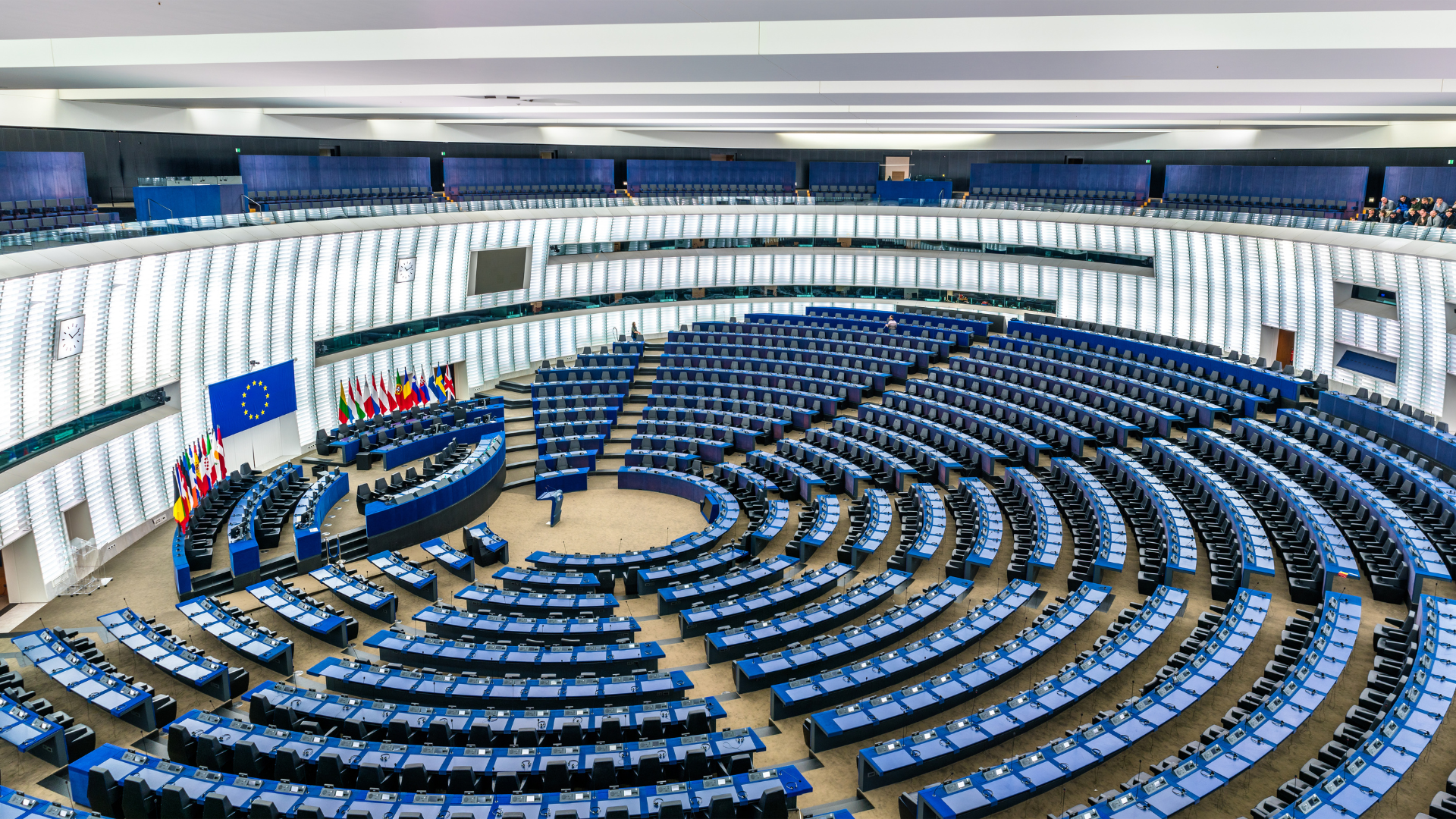
The EU-US trade deal has finally crossed the finish line! On Tuesday 16 June the European Parliament plenary officially gave its final green light to the agreement (with 440 votes in favour, 151 against and 50 abstentions), following months of intense negotiations and pressure from the Trump administration. This lays the groundwork for cutting US tariffs on EU agricultural and industrial goods by up to 15%, marking a watershed moment in transatlantic relations.
Reaching a compromise was anything but straightforward. In fact, the Commission and member states were very vocal about striking an early deal while the European Parliament steered negotiations towards stronger safeguards and a more balanced outcome. Thanks to the persistence of the rapporteur, Bernd Lange, MEPs secured a key safety net: should Washington fail to uphold its commitments, particularly in relation to steel and aluminum tariffs or by introducing new measures, the Commission would be allowed to suspend the agreement.
However, and contrary to the initial demands of the European Parliament, the deal, which will remain in force until December 2029, falls short of establishing automatic guarantees, leaving enforcement at the discretion of the Commission.
The celebratory mood has been dampened by renewed tensions, with recent US threats to impose tariffs on French wine and other EU products highlighting the fragility of the arrangement. The vote therefore does not mark a lasting resolution, but a cautious step forward in an increasingly volatile transatlantic trade relationship.
Brussels and Seoul go Digital: a new chapter in EU-Korea Trade
The Digital Trade Agreement (DTA), signed by the European Union and the Republic of Korea on 10 June at a Summit held in Brussels, completes the legal framework for efficient trade between the two parties. The deal complements the EU-Republic of Korea Free Trade Agreement (in place since 2011) with binding bilateral high-standard digital trade rules. Although the negotiations were finalised in March 2025, the Commission still had to prepare the legal framework and explore member-state-specific intricacies.
The DTA is a colossal milestone for the partners, as more than a third of total trade in services between the EU and Korea in 2023 was digitally delivered. As part of the agreement, consumer safety and confidence in the digital economy will be enhanced through robust online consumer protection rules, with recognition of the legal validity and enforceability of electronic contracts and support for the use of electronic signatures.
Other issues were discussed at the Summit, with Seoul and Brussels launching a “Competitiveness Partnership”, establishing “a new high-level economic dialogue” aimed at achieving joint development of trade, investment, and industrial policy. On defence, Korea sought to join the EU’s SAFE initiative to fund purchases of defence equipment, given that key European partners like Poland and Romania are already frequent buyers. Finally, the Summit touched upon the imposition of steel quotas, with a provisional agreement recently having being reached. With the agreements in place, they will ease trading requirements, providing major economic benefits to European small and medium enterprises (SMEs) and consumers, in contrast to the difficulty of trading across the Atlantic.
A new era for EU-African Trade

On June 10, the European Union finalised a landmark trade agreement to upgrade its Economic Partnership Agreement (EPA) with four Eastern and Southern African nations (known as the ESA4 group): Comoros, Madagascar, Mauritius, and Seychelles. This agreement is regarded as a massive milestone. It marks the EU’s first modern and comprehensive free trade agreement with partners in Sub-Saharan Africa and fundamentally changes how Europe and African regions will trade going forward.
Negotiations began in October 2019, spanning nearly seven years due to a complete overhaul of how the EU conducts trade with developing regions. For Europe, this isn’t just about helping out trade partners. It is a major play for supply chain resilience and diversification.
This deal sets a new benchmark in EU-Africa relations by setting strict environmental and social provisions. Neither side is allowed to weaken their labour or climate laws in an effort to attract business, and trade benefits can be legally frozen if companies exploit workers or violate climate goals.
This agreement is designed as an “open accession” arrangement, with the EU hoping that additional mainland countries such as Kenya, Tanzania and Zimbabwe will also seek to join the framework once the economic benefits for the ESA4 become clear.
Over on X…
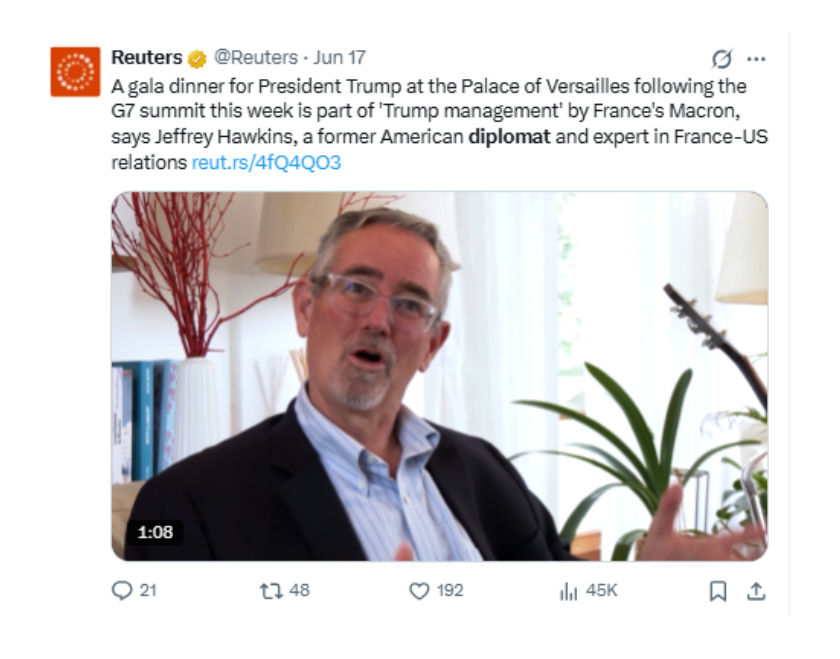
Reuters highlighted how, when negotiating trade with Trump, you may enter a game of tug-of-war while simultaneously planning a strategic dinner date to stroke his ego.
[
On the radar:
25 June | The Gdańsk Recovery Summit: World leaders gathered on Thursday 25 June for the Ukraine Recovery Conference (URC 2026), co-hosted by Poland and Ukraine. The meeting comes with a long, urgent to-do list: funding long-term rebuilding while sending immediate military aid to the front lines. To kick off the plan, EU Commission President Ursula von der Leyen announced a fresh €3.2 billion payout from the €90 billion Ukraine Support Loan, alongside €6 billion specifically set aside to buy drones.
23 June | A Decade of Brexit: The United Kingdom marked exactly 10 years since its historic vote to leave the European Union on Tuesday 23. A decade later, the political and economic fallout remains intense, with news outlets highlighting that the UK is now entering its seventh prime minister since the 2016 referendum. While recent polls show that a clear majority of Britons (57%) now view leaving the bloc as a mistake, UK and EU leaders are focused on the future, using the anniversary to call for a new, pragmatic security and economic partnership rather than a return to old divisions.
What we are reading:
Will ending the cheap shipping loophole crush EU retail? As Brussels prepares to eliminate the €150 “de minimis” duty exemption, e-commerce giants like Temu and Shein face a mandatory flat tariff on every package. Supporters call it a vital defence of the EU Single Market against a tsunami of cheap, non-compliant imports. Critics, however, say that the resulting customs gridlock will trigger a massive supply chain headache just before peak season.
EU targets imported artificial sugars: Heading straight into July, the European Commission quietly added fake sugars to its massive trade-defence list. Under a series of filings updated on June 9 and 11, 2026, Brussels launched official trade investigations and reviews into Aspartame and Monosodium glutamate (MSG) coming from China.

Alessandro Pizzi, Public Affairs Consultant

Sophia Nee, Communications Consultant