Until recently, “debugging” was something you did to code, not to cells. But 2026 may just change that vibe. Biology, the notoriously slow and messy science of life, is suddenly behaving like a system that might actually listen to instructions. And the culprit is, of course, AI, the overachiever that couldn’t just write poems and fake voices (or draw funny cats) but now wants to redesign proteins before breakfast.
Drug discovery used to be the ultimate patience test: years of lab work, mountains of failed molecules and a budget large enough to make even Big Tech blush. This year, the script is flipping. AI models trained on genomic and molecular data are spitting out promising drug candidates faster than you can say “clinical trial”. Virtual simulations are stress-testing molecules long before humans get involved. And synthetic biology – once the domain of sci-fi fans and optimistic PhD students – is becoming a design discipline.
Suddenly, we’re talking about proteins invented by algorithms, diagnostics that outperform human intuition and personalised treatments that ditch the “standard dose for everyone” philosophy we’ve been politely tolerating for decades.
This isn’t just a scientific glow-up; it’s geopolitical. The regions that master AI-powered biology will shape not just the future of healthcare, but agriculture, sustainability, manufacturing … basically anything involving atoms. Europe has the brains, the data and the regulatory imagination to lead, but it needs to shift gears. Fast. Think: flexible approval pathways, smarter data rules and a mindset that embraces innovation without turning every petri dish into a policy debate.
Will AI magically decode every secret of life? Probably not. Biology still enjoys trolling us. But 2026 feels like the moment the field becomes programmable enough to spark the next wave of breakthroughs. When biology starts acting like software, everything from health to climate solutions starts moving at digital speed.
So, buckle up, the next big tech revolution isn’t happening on your phone. It’s happening in (or around) your cells.
About this week’s guest editor, Vlad Olteanu.
I’m a Brussels-based (dare I say) innovation strategist obsessed with how emerging tech rewires everything from medicine to geopolitics. After a decade tracking Europe’s tech trends — from digital transformation to fintech, AI and … beyond — and another decade (I know … I am old) tracking how EU regulations are “made” – I’ve recently fallen down the rabbit hole where algorithms and biology collide. I’m particularly interested in how Europe can turn this fusion into its next competitive superpower. When I’m not thinking about digital DNA or future medicines, you’ll find me debating many interesting (read partially boring) subjects with friends or running highly scientific experiments to locate the best espresso in Brussels. I do enjoy reading books (digital paper as they say), playing with my daughters or lovely … cat.
Love reading out-of-the-Brussels-bubble tech news? Share it with your friends and colleagues. They can subscribe here. Ideas? Suggestions? Comments? Send them our way!
#TechAways is brought to you by SEC Newgate EU’s one and only #tech team featuring Giuseppe Campa, Dániel Kovács, Sarah Harry and Ali El Majjaoui.
Rejoice! Our AI doom has been postponed 🤖🆘 (The Guardian)
A welcome development for those fearful about humanity’s destruction at the hands of the machines – leading expert Daniel Kokotaljo has readjusted his timeline for AI doom. The former OpenAI employee made headlines last year by releasing AI2027, a hypothetical script that saw unchecked AI development leading to systems achieving a “superintelligence” that ultimately ends up destroying humanity.
Sounds scary, right? Well, the good news is that Kokotaljo and his colleagues have rolled back the forecast, saying that AI will only be able to code autonomously in the early 2030s. Even better news is that the apocalyptic predictions have also been more widely challenged, as timelines for the arrival of transformative artificial intelligence are now being pushed back. One leading expert said that evidence of the “jagged” performance of AI when faced with the complexities of society and the “enormous inertia in the real world” means that a scenario like AI2027 is not currently possible. Big sigh of cautious relief.
AI could fast-track personalised heart care ❤️🤖 [Euronews]
Cardiovascular diseases are the leading cause of death and disability in the EU, responsible for around 1.7 million deaths each year and affecting more than 60 million people. AI could now change how treatments are identified and prescribed.
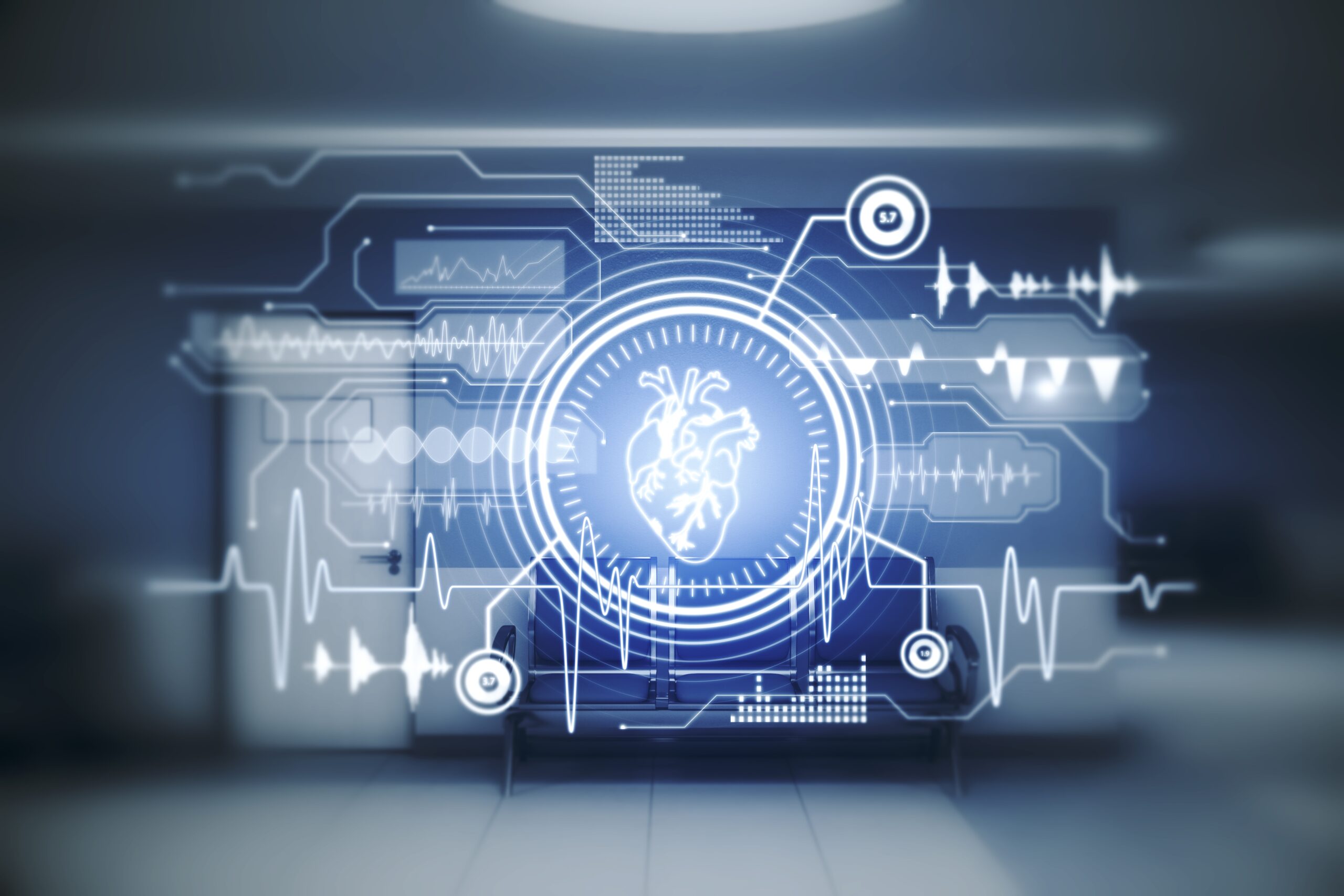
Researchers have developed an AI-based tool that combines detailed heart scans with large medical data to predict which drugs are most likely to work for specific heart conditions. By linking genes, diseases, imaging data and medicines into a single knowledge graph to identify correlations, this novel approach moves away from the usual one-size-fits-all treatment.
By combining heart imagery with AI, researchers can identify effective treatments faster. This layered approach could ultimately help healthcare professionals spot threats earlier and free up time to have more time to rest, or address additional patients’ concerns. The long-term aim is personalised, patient-centred care, where treatment reflects how an individual heart actually functions. While the focus here is cardiology, the same approach could reshape treatment development across other diseases.
The real productivity win? The time AI gives back 💡🕒 [Financial Times]
Household chores don’t come with payslips – but they would make up a sizable chunk of the economy if they did. Unpaid household work is one of the economy’s biggest blind spots, representing around 15% of economic value in advanced economies.
But the issue lies in measurement. Economists are now exploring new ways to quantify this “hidden productivity” as AI becomes a part of daily life. AI tools are saving time on everyday tasks that can be completed much faster, freeing up hours that are typically absorbed by unpaid work. And where does that leftover time go? It’s your choice – it can be used for paid work, hobbies, family care, or even rest.
This isn’t just another labour-saving gadget. AI is shaping up to be a general-purpose technology, affecting how people work and live. Whether we like it or not, AI is becoming a part of everyday life – and we may be better off using it for mindless, time-consuming tasks that leave us exhausted. The real productivity gain may not be what we produce, but the time we recover.
Your car may soon come to life 🚗🚦 (Wired)
The latest futuristic techy buzzword is the pathway for your dear vehicle friend to truly come alive! Physical AI may first appear to be a paradox – how can an abstract concept possess a physical form? The “physical” in this case however refers not to a body, but to the method through which developers hope autonomous systems will be able to understand, reason and respond to their surroundings.
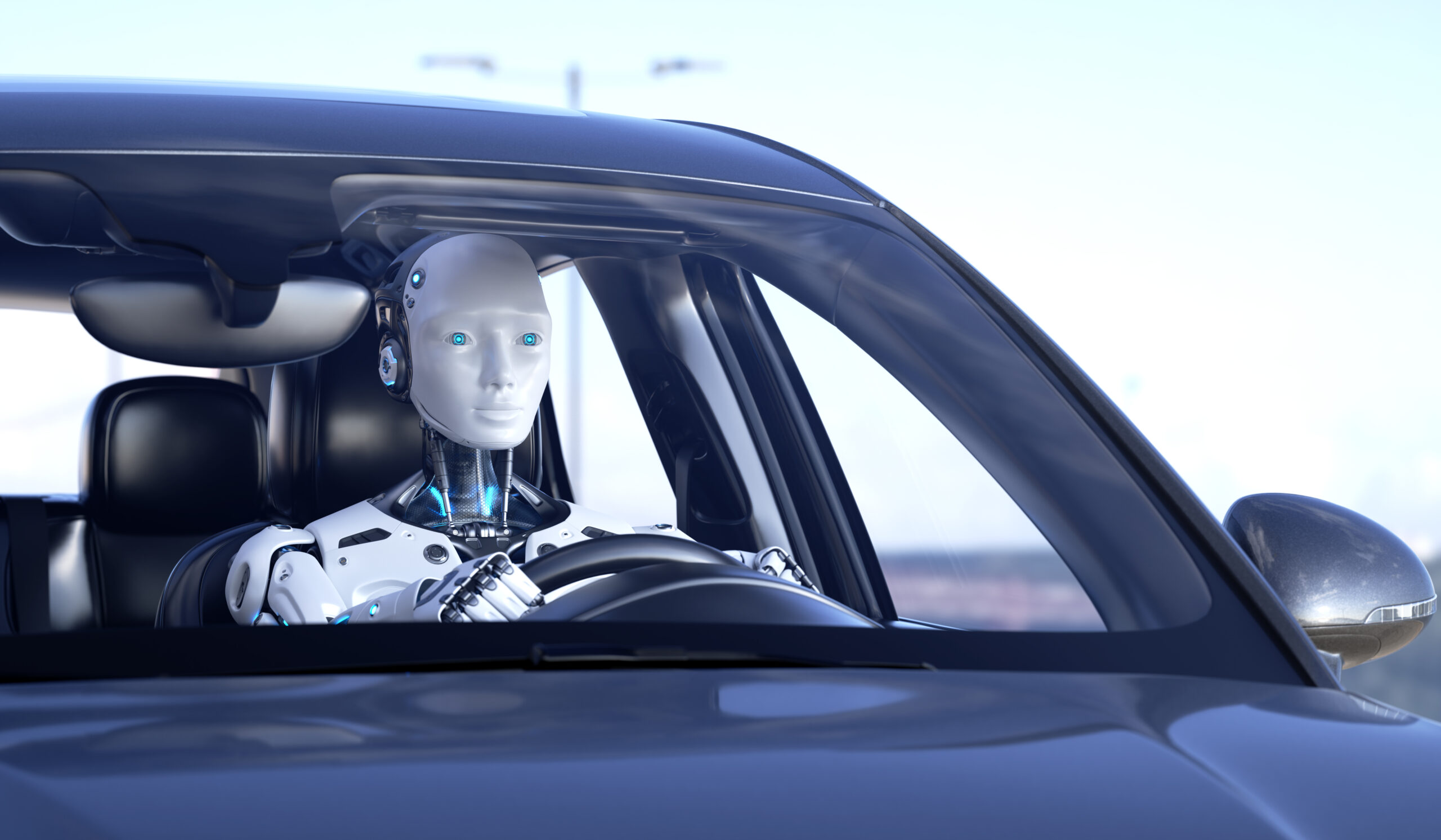
One of the most exciting fields for this would be automobiles – Physical AI could result in a car being able to drive itself during complex, changing traffic situations. With numerous collaborations already underway, early “intelligent driving systems” are planned to be on the market as early as this year – and are expected to get better and better. At this rate, will we still need a driving licence, or will autopilots take over entirely?
In case you haven’t had enough:
‘Smart people’ are also falling victim to online scams warns EBA [EURACTIV]
A red pixel in the snow: How AI solved the mystery of a missing mountaineer [BBC]
Synthetic skin based on octopus biology promises uses in robotics [Financial Times]
Hipster robots and cuddly AI take over Las Vegas [Financial Times]
Policy Pixels
EU cracks down on Grok’s AI nudes Brussels turned up the heat on X after its AI chatbot Grok was used to generate sexualised images – including of minors- from clothed photos. The European Commission has ordered X to preserve all Grok-related data under the Digital Services Act, as EU and the UK intensify scrutiny. Even though X has moved image generation behind a paywall, the Commission stressed that does not address the core issue: preventing illegal deepfake content in the first place.
Cyprus presidency hits the ground running on AI rules The Cypriot Presidency of the Council is pushing ahead with tech policy. One of its flagship goals is to accelerate the AI Omnibus, a legislative proposal designed to streamline the AI Act, with a view to locking in agreement before August, when the EU’s original high-risk AI rules under the AI Act would kick in. The Cypriot Presidency aims to draft a first compromise text by the end of the month, seeking to avoid delays and give industry legal certainty on next-generation AI rules.
Two big digital milestones landing on 20 January All eyes are also on 20 January, when the European Commission will unveil two key proposals. First up is the Digital Networks Act (DNA), a planned overhaul of telecom regulation that seeks to modernise Europe’s connectivity framework, accelerate fibre optic roll-out, support 5G/6G deployment and harmonise rules across Member States to foster a truly integrated telecom market. Simultaneously, the Cybersecurity Act review is set to land, with reports suggesting it could include provisions requiring the gradual phase-out of Chinese ICT equipment from the supply chains of certain critical sectors. However, this element remains politically sensitive and may still be softened or removed before the proposal is finalised.
Pop-Tech Pick
If you followed the Golden Globes, you may have spotted Severance among the nominees for Best Television Series (Drama). The Apple TV+ show has become a standout for its smart blend of workplace satire and dystopian sci-fi.
Quick synopsis:
Severance centres on employees who undergo a procedure that separates their work memories from their personal lives, creating two distinct versions of the same person.
What so special about it?
The series offers a sharp, unsettling take on work–life balance, corporate control and identity in an increasingly tech-driven workplace, all delivered through a distinctive visual style and measured, thought-provoking storytelling.
Alí El Majjaoui, Communications Consultant
Giuseppe Campa, Public Affairs Consultant